
Recognising Signs of Anxiety in Pets and How Pet Business Owners Can Support Their Clients

Anxiety in pets is a common but often overlooked issue that affects many dogs and cats. For pet business owners, understanding how to recognise anxiety and support clients dealing with anxious pets can improve animal welfare and strengthen client relationships. This post explores the key signs of anxiety in dogs and cats and offers practical ways pet businesses can help their clients manage these challenges.

How Anxiety Shows in Dogs
Dogs express anxiety through a variety of behaviors and physical signs. Recognising these early can help pet business owners advise clients before anxiety worsens if the client has not spotted it already.
Common Behavioral Signs in Dogs
Excessive barking or whining: Dogs may vocalize more when stressed.
Pacing or restlessness: Repeated movement or inability to settle.
Destructive chewing or digging: Trying to escape or relieve stress.
Avoidance or hiding: Seeking out quiet, secluded spots.
Aggression or growling: Defensive reactions when feeling threatened.
Excessive licking or chewing of paws: Self-soothing behavior.
Physical Signs to Watch For
Panting or drooling without obvious cause
Trembling or shaking
Dilated pupils or wide eyes
Ears pinned back or lowered tail
Loss of appetite
Pet business owners who notice these signs during grooming, training, or boarding can gently inform clients and suggest further observation or professional help.
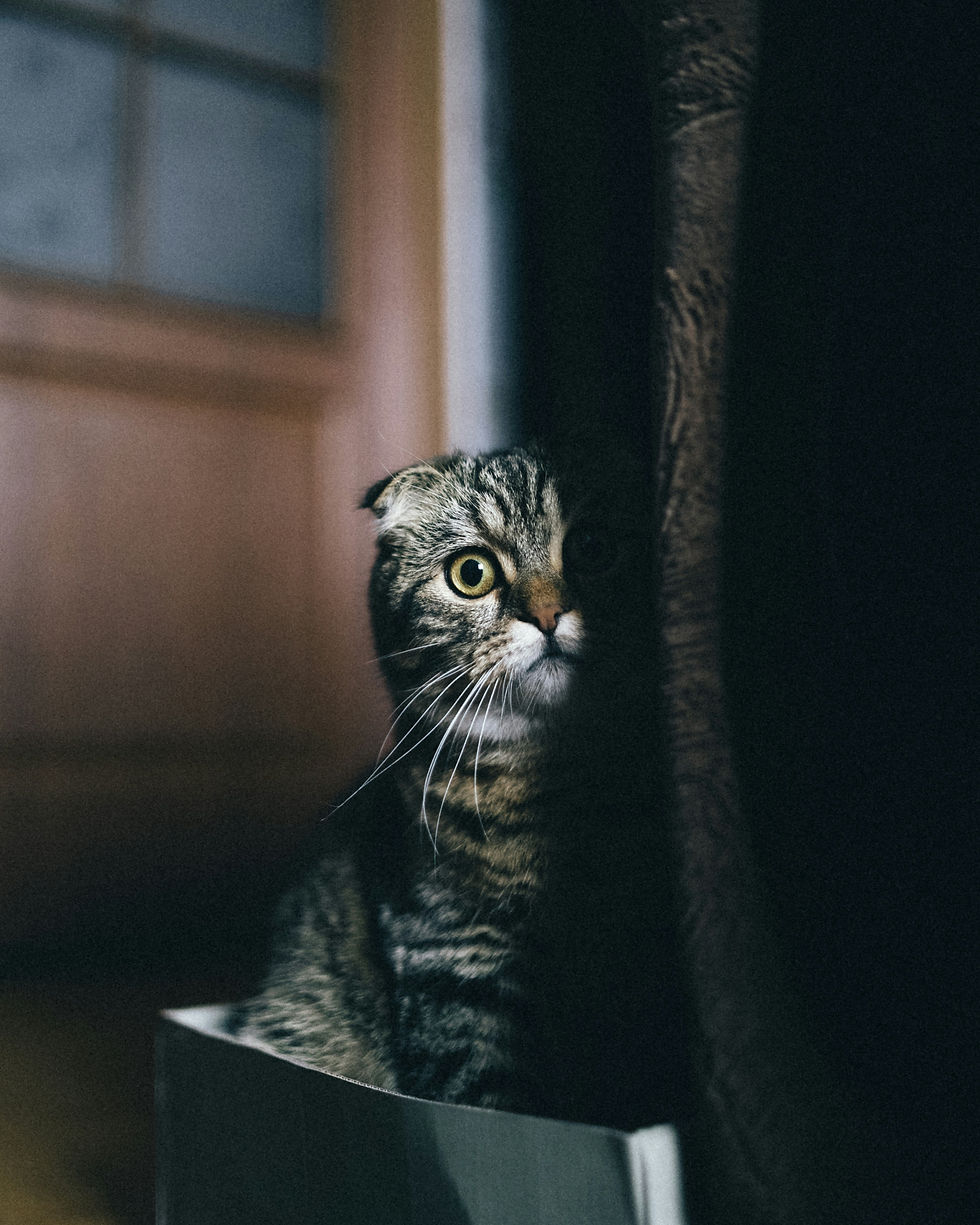
How Anxiety Shows in Cats
Cats tend to hide their anxiety more than dogs, making it harder to spot. However, some clear signs can indicate stress or fear.
Behavioral Signs in Cats
Hiding or avoiding interaction: Staying under furniture or in quiet corners.
Aggression or swatting: Defensive behavior when approached.
Excessive grooming or hair loss: Over-grooming to relieve stress.
Changes in litter box habits: Avoiding the box or inappropriate elimination.
Vocalizing more or less than usual: Meowing or yowling unexpectedly.
Physical Signs in Cats
Dilated pupils or flattened ears
Tense body posture or crouching
Trembling or shaking
Rapid breathing or panting (less common but possible)
Pet business owners working with cats in boarding or sitting one in their own home should be alert to these signs and communicate concerns to clients.
Why Pet Business Owners Play a Key Role
Pet business owners interact with animals regularly and often see behaviors owners might miss. This puts them in a unique position to identify anxiety early and guide clients toward solutions.
Building Trust Through Observation
Clients appreciate when pet professionals notice subtle changes in their pets. Sharing observations respectfully can build trust and show genuine care.
Educating Clients
Many pet owners do not realise their pets are anxious or how to help. Providing clear, practical advice can empower clients to improve their pets’ well-being.
Offering Supportive Services
Pet businesses can offer or recommend services that reduce anxiety, such as:
Calm and quiet boarding environments or pet sitting in the client's home
Gentle grooming techniques
Behavior consultations or referrals to vets
Enrichment activities to reduce stress

Practical Tips to Help Anxious Pets
Pet business owners can share these strategies with clients to support anxious dogs and cats.
Create a Safe Space
Encourage clients to provide a quiet, comfortable area where pets can retreat when stressed. This might include a crate with soft bedding for dogs or a cozy hiding spot for cats.
Use Consistent Routines
Predictable feeding, walking, and play schedules help pets feel secure. Sudden changes can increase anxiety.
Introduce Gradual Exposure
For pets fearful of new experiences, gradual and positive exposure can build confidence. For example, slowly introducing a dog to grooming tools or a cat to new rooms.
Recommend Calming Products
Products like pheromone diffusers, calming collars, or anxiety wraps can help reduce stress. Always advise clients to consult their veterinarian before starting new treatments.
Encourage Regular Exercise and Enrichment
Physical activity and mental stimulation reduce anxiety. Suggest interactive toys, puzzle feeders, or daily walks.
Suggest Professional Help When Needed
If anxiety is severe or persistent, recommend clients seek advice from veterinarians or certified/clinical animal behaviorists.
How to Communicate Effectively with Clients About Anxiety
Approaching the topic of pet anxiety requires sensitivity and clarity.
Use non-judgmental language to avoid making clients feel blamed.
Share specific examples of observed behaviors (share videos of the behaviour if you have them).
Offer resources such as websites, or local professionals details.
Follow up to see how the pet is doing and if further support is needed.
Supporting Your Business and Your Clients
Helping clients manage pet anxiety can improve client satisfaction and loyalty. It also enhances the reputation of your business as a caring and knowledgeable partner in pet care.
Train your staff to recognise anxiety signs.
Develop protocols for handling anxious pets safely.
Create educational materials tailored to your services.
Collaborate with local trainers and veterinarians for referrals.
By taking these steps, pet business owners can make a positive difference in the lives of pets and their owners.


Comments